Listen to this article
When people think about growing food, they often imagine soil, sunlight, fertilisers, pesticides, watering schedules, and green plants reaching upward. This is the familiar image of agriculture. Crops are planted, fed, protected, and harvested.
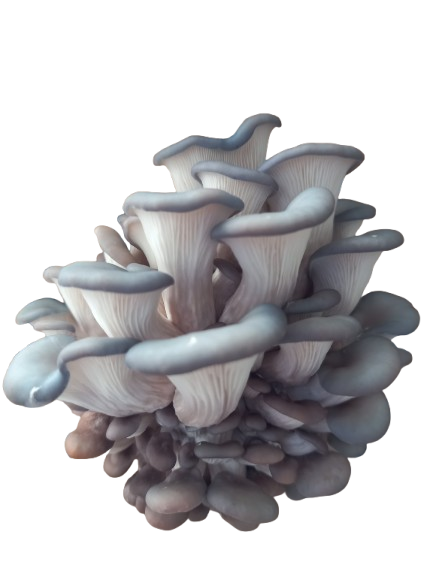
Mushrooms ask us to think differently.
They do not grow like wheat, tomatoes, spinach, or fruit trees. They do not need sunlight in the same way plants do. They do not depend on photosynthesis. They do not grow because we add more fertiliser or force them into productivity with the same chemical logic often used in crop farming.
Growing by conditions, not force
Temperature matters. Humidity matters. Air exchange matters. Cleanliness matters. The quality of the substrate matters. Timing matters. Patience matters.
A mushroom grower is not simply feeding an organism. They are creating a small climate where the organism can do what it naturally knows how to do.
This is one of the most beautiful things about mushrooms. Their growth depends on relationship. They respond to their surroundings with remarkable sensitivity. Too dry, and they pause. Too wet, and contamination can take over. Too little fresh air, and their shape changes. Too much disturbance, and the system becomes stressed. A small shift in the environment can change the whole outcome.
Of course, this does not mean mushroom growing is effortless or free from science. It requires knowledge, discipline, hygiene, and observation. It requires understanding the needs of each species. Oyster mushrooms, shiitake, lion’s mane, button mushrooms, and other cultivated fungi all have their own preferences.
The hidden story of food on the table
There is another reason mushrooms deserve attention in conversations about food and wellbeing.
Many of the foods on our table pass through long and complicated systems before they reach us. Some crops may be exposed to pesticides, preservatives, artificial ripening methods, chemical treatments, long storage periods, and repeated handling during transport. This does not mean all conventional food is unsafe, but it does remind us that modern food often carries a history we cannot easily see.
Mushrooms offer a different kind of story.
Clean cultivation
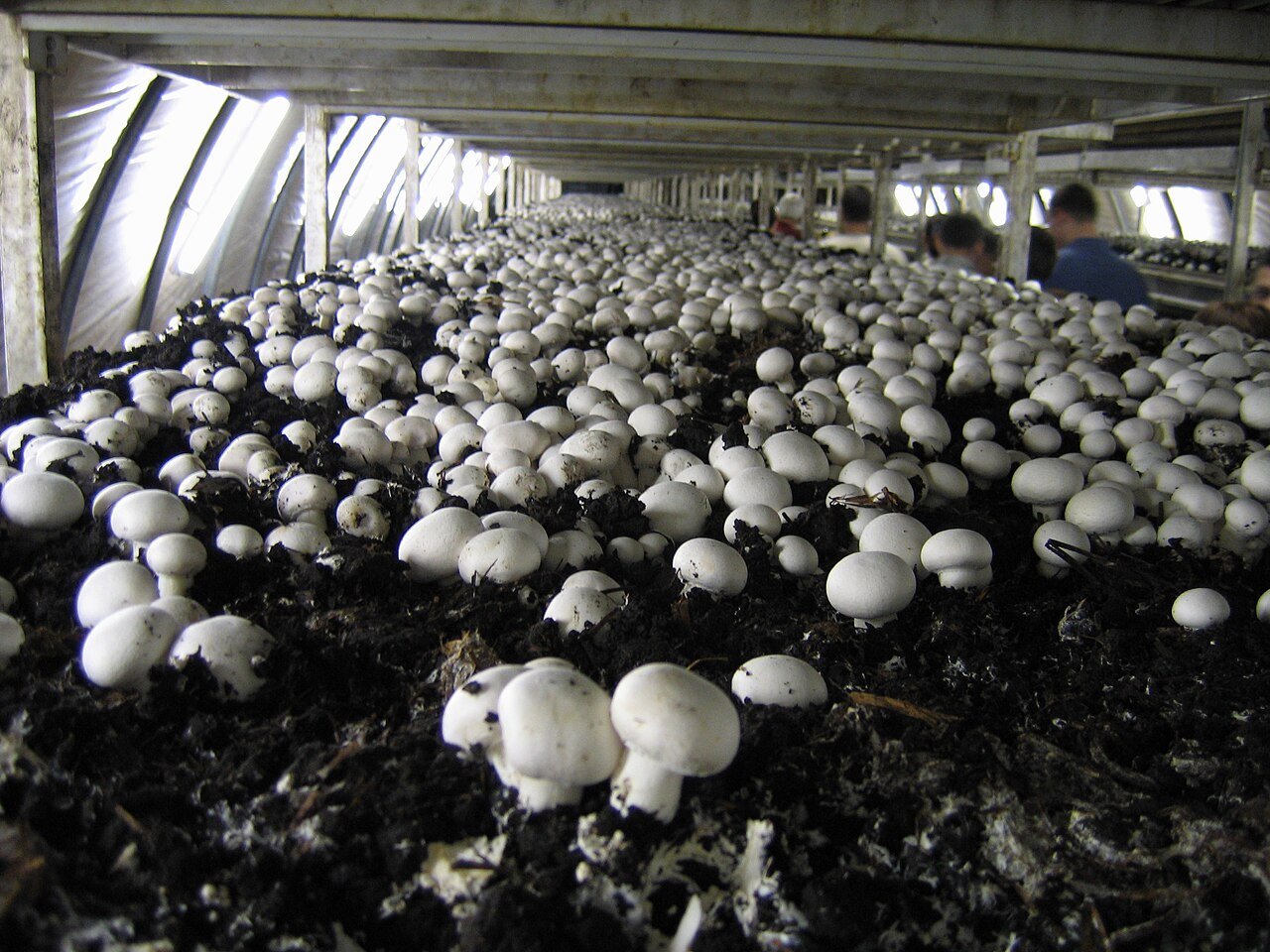
Cultivated mushrooms are often grown indoors or in controlled environments, where the focus is usually on hygiene, airflow, humidity, temperature, substrate quality, and timing rather than repeated chemical intervention.
Cultivated mushrooms are often grown indoors or in controlled environments, where the main focus is not spraying the organism into productivity, but protecting the conditions around it. Cleanliness, airflow, humidity, temperature, substrate quality, and timing become the most important tools.
A well-managed mushroom growing space depends on prevention rather than heavy correction.
This is why mushrooms can feel closer to a clean cultivation system than many people expect. The grower is not usually trying to fight weeds, field insects, harsh weather, or poor soil in the same way crop farmers often must. Instead, the grower is trying to create a balanced environment where mycelium can colonise safely and fruit naturally.
Clean does not mean careless
Mushrooms are not automatically pure simply because they are mushrooms. Like any food, their quality depends on how they are grown, handled, stored, and transported. Poor conditions can still lead to contamination. Bad substrates can still affect quality. Careless production can still create problems.
But when mushrooms are grown responsibly, they show us a hopeful model of food production: one where the emphasis is less on chemical intervention and more on clean systems, good conditions, and careful observation.
This is very different from the way many people understand food production. Modern agriculture often depends heavily on external inputs. Crops may require fertilisers to replace soil nutrients, herbicides to reduce weeds, pesticides to manage insects, and chemical treatments to protect against disease.
The controlled ecosystem
Mushroom farming can feel deeply connected to nature, even when it happens indoors. A grow room is not just a production space. It is a controlled ecosystem. The goal is to imitate the signals that fungi would recognise in the wild: moisture after rain, a change in temperature, fresh air, gentle light, and the right material to decompose.
The mushroom does not need to be persuaded. It needs to be invited.
There is a lesson here beyond cultivation.
Human wellbeing is also shaped by conditions. We often speak about health as if it depends only on individual choices: eat better, sleep better, work harder, be more disciplined. But people, like fungi, respond to their environments. Stress, work conditions, access to good food, clean air, community, rest, income, and emotional safety all shape how well a person can live.
A person cannot flourish in poor conditions simply because they are told to try harder.
A mushroom cannot fruit well in the wrong environment simply because we want it to.
Both need care around them.