Listen to this article
There is a magical allure to mushrooms. They can appear almost overnight, emerging from damp soil, fallen wood, leaf litter, or places that seemed empty only the day before.
Their sudden arrival has fascinated people for generations. Unlike familiar crops, mushrooms do not grow from visible seeds, stretch towards the sun, or keep the same form for long. They emerge, transform, release their spores, and disappear.
Look closely at older medical, agricultural, and herbal writings and mushrooms are not always treated kindly. They were frequently associated with decay, dung, dampness, poison, and death. Some were valued as foods or remedies, while others were regarded with fear because distinguishing an edible mushroom from a dangerous one required experience.
At the same time, cultures around the world created stories in which mushrooms represented magic, healing, transformation, immortality, altered perception, and communication with unseen worlds.
A history older than humanity
The mushroom story began long before humans were present to observe it. One of the oldest known fossils of a gilled mushroom is Gondwanagaricites magnificus, discovered in the Crato Formation of northeastern Brazil.
The fossil dates to the Early Cretaceous period, approximately 115 million years ago. It was preserved in limestone rather than amber, offering an unusually detailed record of a mushroom that lived while dinosaurs still walked the Earth.
Ancient fungi
Gondwanagaricites magnificus extended the known fossil history of gilled mushrooms deep into the Early Cretaceous and confirmed their presence on the ancient supercontinent Gondwana.
The human relationship with mushrooms is also ancient. Research on dental calculus from Neanderthals at El Sidrón Cave in Spain detected evidence of mushrooms alongside other gathered foods, including pine nuts and moss.
The evidence does not tell us exactly how those mushrooms were prepared, why particular species were chosen, or whether they were eaten for flavour, nourishment, or another purpose. It does show that mushrooms formed part of the gathered landscape experienced by early humans.
Later prehistoric communities continued using fungi in practical ways. Mushrooms could provide food, while harder bracket fungi and tinder fungi were useful for carrying embers and starting fires. Long before written recipes and scientific classifications, people were already learning which fungi could feed, heal, burn, preserve, intoxicate, or harm.
Mushrooms at the ancient table
Classical societies knew mushrooms as both delicacies and dangers. Romans gathered and ate wild mushrooms, but ancient writing also reflected an awareness that a desirable meal could become a poisonous one when species were confused.
Mushrooms therefore occupied an unusual place. They could be humble forest food, prized delicacy, medicine, or threat. Their value depended upon the knowledge of the person collecting and preparing them.
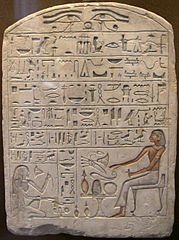
Ancient Egyptian imagery and later interpretations also connected mushrooms with divinity, longevity, and immortality. Some modern retellings describe them as the food or plants of the gods. Such stories should be approached carefully because archaeological interpretation can change, but they reveal the enduring human desire to associate unusual natural forms with sacred meaning.
Greek thinkers were also puzzled by fungi. Mushrooms did not fit neatly into familiar categories of plant and animal life. They appeared without flowers, leaves, or visible seeds and seemed to arise directly from soil or decaying material.
To observers without microscopes or knowledge of mycelium, their emergence must have seemed close to spontaneous generation. Their hidden biology helped create the mystery that followed them into philosophy, medicine, and folklore.
Between the natural and supernatural
Long before fungi became subjects of laboratory research, communities made sense of them through ritual, oral tradition, visual art, and folklore. These accounts differ greatly between places and should not be collapsed into one universal mushroom mythology.
Yet certain themes repeatedly appear: sudden transformation, hidden power, death and renewal, altered consciousness, protection, danger, longevity, and communication with another realm.
In parts of Siberia, accounts describe ritual relationships with the red-and-white fly agaric, Amanita muscaria. Its striking appearance and psychoactive properties contributed to stories connecting the mushroom with trance, spiritual journeys, and communication beyond ordinary experience.
In Mesoamerica, certain psychoactive mushrooms were used ceremonially. The Nahuatl term teonanácatl is often translated as “flesh of the gods,” reflecting their sacred role in particular religious and cultural settings.
European folklore gave mushrooms another kind of enchanted space: the fairy ring. These circles of mushrooms were sometimes imagined as places where fairies, spirits, or supernatural beings gathered and danced.
Entering such a ring could be treated as dangerous. Stories warned of confusion, curses, illness, disappearing time, or being carried into a world from which a traveller might not easily return.
Today we understand that many fairy rings form as an underground fungal colony grows outward through soil. The visible mushrooms appear around its expanding edge. Science explains the circle, but it does not erase the beauty that inspired the story.
Symbols of longevity and transformation
In Chinese art and cultural symbolism, the lingzhi or reishi mushroom has long been associated with longevity, immortality, good fortune, and spiritual power. Its cloud-like shape appears in paintings, carvings, textiles, and decorative objects.
The lingzhi became more than a biological organism. It became a visual language—a symbol that could communicate wishes for a long life, wellbeing, and connection to an immortal realm.
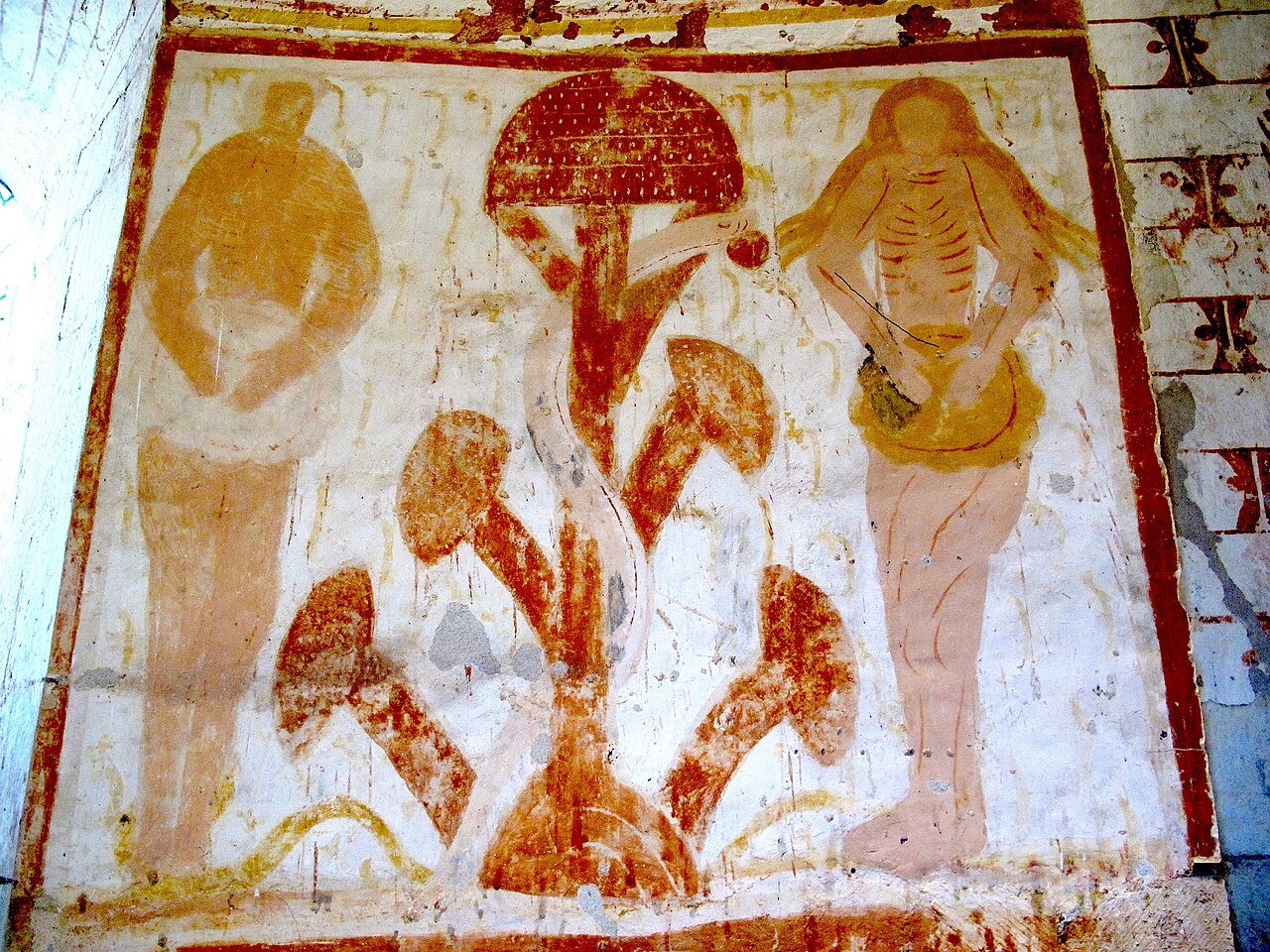
Other traditions connected fungi with ancestors, seasonal change, protection, prophecy, or the movement between life and decay. These meanings were not identical, but they reflected close observation.
Mushrooms often appeared after rain. They emerged from dead wood while helping create new soil. They could nourish or poison. Some could alter consciousness. Their visible form was temporary, while the greater organism remained hidden underground.
Transformation was not merely imagined. It was happening in front of people.
A recurring pattern
Across many traditions, mushrooms became symbols of mystery because they appeared suddenly, transformed decaying matter, and seemed to move between visible and hidden worlds.
Why the stories remain
Modern biology has explained many things that once seemed supernatural. We now know that a mushroom is usually the temporary fruiting body of a much larger fungal organism. Beneath the soil or inside wood, networks of hyphae form mycelium that can persist long after the visible mushroom disappears.
Yet scientific explanation has not made mushrooms less marvellous. If anything, learning about their hidden networks, decomposition, symbiosis, chemical diversity, and ecological importance gives us new reasons to be fascinated.
Folklore should not be treated as scientific evidence, and traditions should not be removed from the communities and histories that created them. But these stories still matter. They show how people responded emotionally and imaginatively to organisms they could not fully explain.
Across centuries and cultures, they have invited caution, curiosity, reverence, appetite, and wonder. Their lore reminds us that humans have never encountered fungi only as ingredients or biological specimens.
We have also encountered them as mysteries.
Sources and further reading
Heads and colleagues — The oldest fossil mushroom
The Metropolitan Museum of Art — Lingzhi as a symbol of immortality and good wishes