Listen to this article
Mushrooms have always carried a quiet kind of magic.
For many people, mushrooms begin as a culinary ingredient. A handful of button mushrooms in an omelette. Oyster mushrooms fried until golden. Shiitake in a broth. Morels in butter. Portobello on a grill. Across cultures, mushrooms have found their way into stews, teas, sauces, rice dishes, noodles, pickles, and festive meals. They carry flavour, texture, and a sense of depth. A small amount can change the mood of a dish.
But mushrooms are more than their taste.
Mushrooms provide fibre including fungal polysaccharides, minerals, protein-like nourishment, and unique fungal components that are not commonly found in the same way in fruits or vegetables. They are low in fat, deeply savoury, and can help make food feel satisfying without needing to be heavy. Their natural umami quality makes them especially valuable in everyday cooking, particularly for people who want meals that feel comforting, nourishing, and full of flavour.
This does not mean mushrooms are a miracle food, and they should not be treated as a replacement for medical advice or a balanced diet. But as part of everyday meals, they offer something beautifully simple: flavour, texture, variety, and a connection to nature.
Many forms, many uses
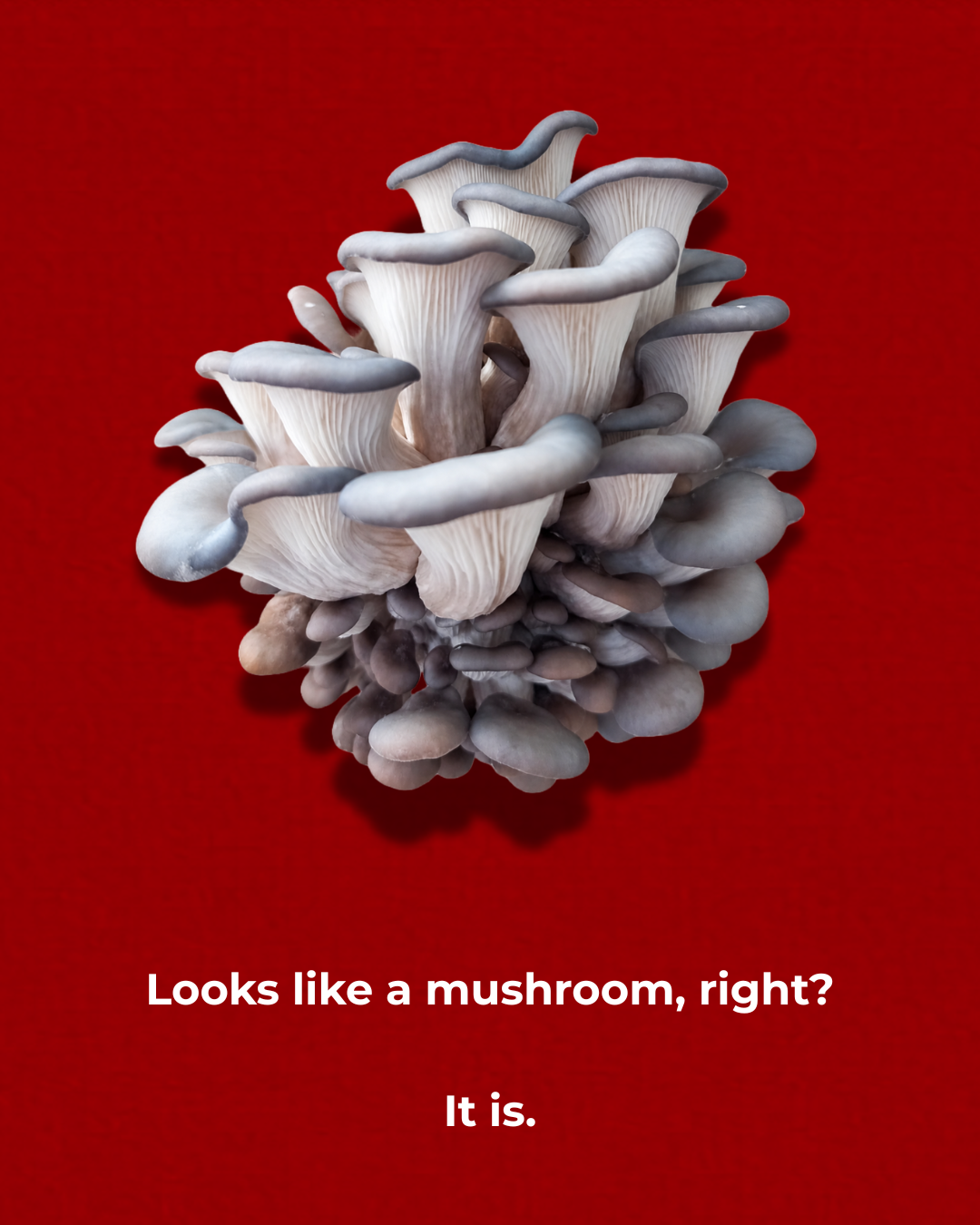
One of the most enjoyable things about mushrooms is how flexible they are. They can be roasted, dried, powdered, brewed, blended, sautéed, stuffed, fermented, or added to sauces. They can be the centre of the plate or quietly support the background of a meal. Some mushrooms taste delicate and mild. Others are bold, woody, nutty, smoky, or almost meaty. This variety is part of their charm.
Yet fresh mushrooms come with one practical challenge: they do not last forever.
Fresh mushrooms are living, delicate ingredients. They hold moisture, breathe after harvest, and can lose quality quickly if they are not stored properly. Their texture can soften, their aroma can change, and their shelf life is often shorter than many dried pantry ingredients. Anyone who has bought a punnet of mushrooms and forgotten it in the fridge knows this story. One day they are firm and beautiful; a few days later, they are tired, damp, and no longer inviting.
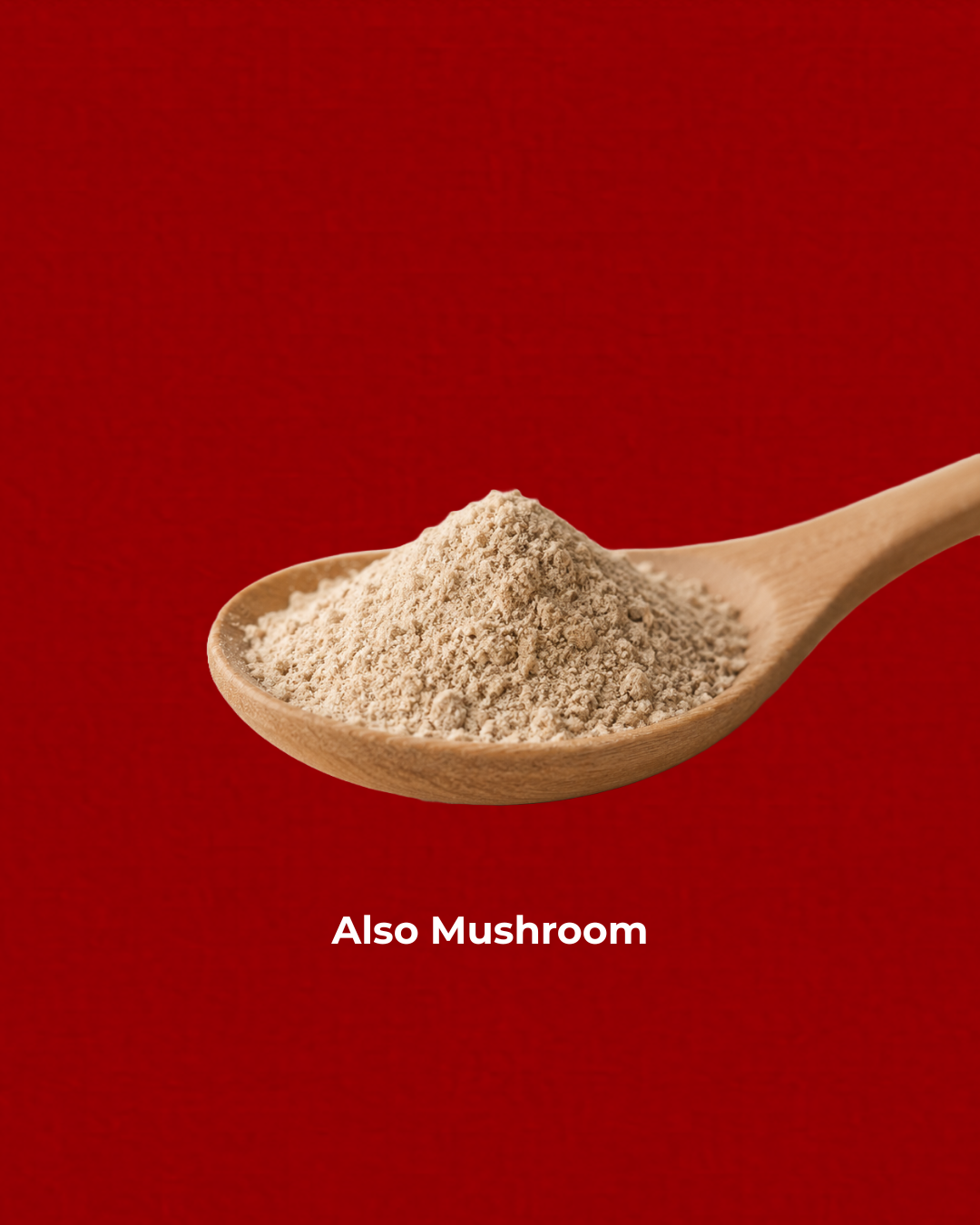
This is one reason people have long explored different ways of preserving and consuming mushrooms. Drying mushrooms is one of the oldest and most practical methods. Once dried, mushrooms become lighter, more concentrated in flavour, and easier to store. A dried mushroom can bring intensity to soups, sauces, rice dishes, and broths. When ground into powder, it becomes even easier to use.
Mushroom powder is one of the simplest ways to bring fungi into everyday food. A spoonful can be added to soups, stews, noodles, marinades, savoury porridge, lentils, pasta sauce, or even seasoning blends. It does not demand a full recipe. It can simply sit in the kitchen and wait, like a spice.
Why preserved forms matter
Extracts are another form people may come across. These are usually prepared to concentrate certain mushroom components into a more convenient format. Depending on the product, extracts may be found as liquids, capsules, powders, or drink blends. For some people, these forms are useful because they are easy to store, measure, and include in a routine. They also reduce the pressure of needing fresh mushrooms available all the time.
Of course, quality matters. Not every mushroom product is the same. The mushroom species, growing conditions, processing method, storage, and labelling all influence the final product. This is why mushroom products should be chosen with care. A good mushroom product should be clear about what it contains, how it is intended to be used, and what it is not claiming to do. Mushrooms can be part of a healthy lifestyle, but they should be presented honestly, not as magic cures.
Everyday mushroom forms
Fresh mushrooms, dried mushrooms, powders, extracts, seasonings, teas, and blends can all offer different ways of bringing mushroom flavour and fungal curiosity into daily life.
At Manes & Morrel, this is the space we are interested in: mushrooms as food, mushrooms as knowledge, mushrooms as gentle daily companions. Not only rare forest treasures, and not only ingredients for special occasions, but something that can become part of ordinary life.
A place for fungi on the dining table
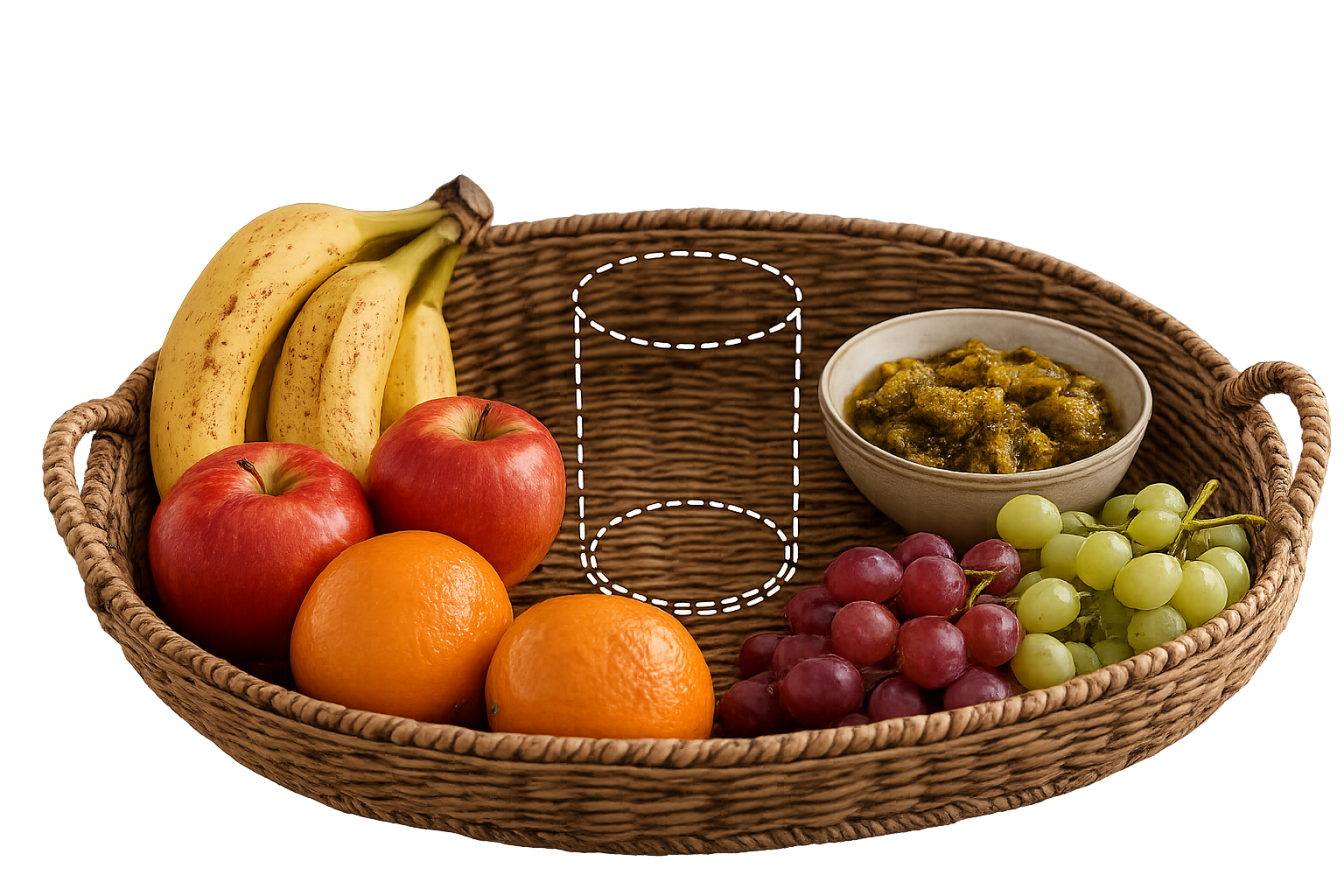
Think about the dining table. Many tables have a pickle jar, a sauce bottle, a spice mix, a chutney, a salt cellar, or a favourite seasoning that people reach for almost without thinking. These small items are not always the main dish, but they shape the meal. They add memory, flavour, habit, and identity.
Why not mushrooms too?
This is not about making food complicated. It is about making mushrooms easier to enjoy. Fresh, dried, powdered, extracted, blended, or cooked slowly into a meal, mushrooms offer many ways to enter daily life.
Perhaps the future dining table will not only hold salt, pepper, pickle, and sauce. Perhaps there will also be a little place for fungi: earthy, nourishing, flavourful, and quietly wise.