
Listen to this article
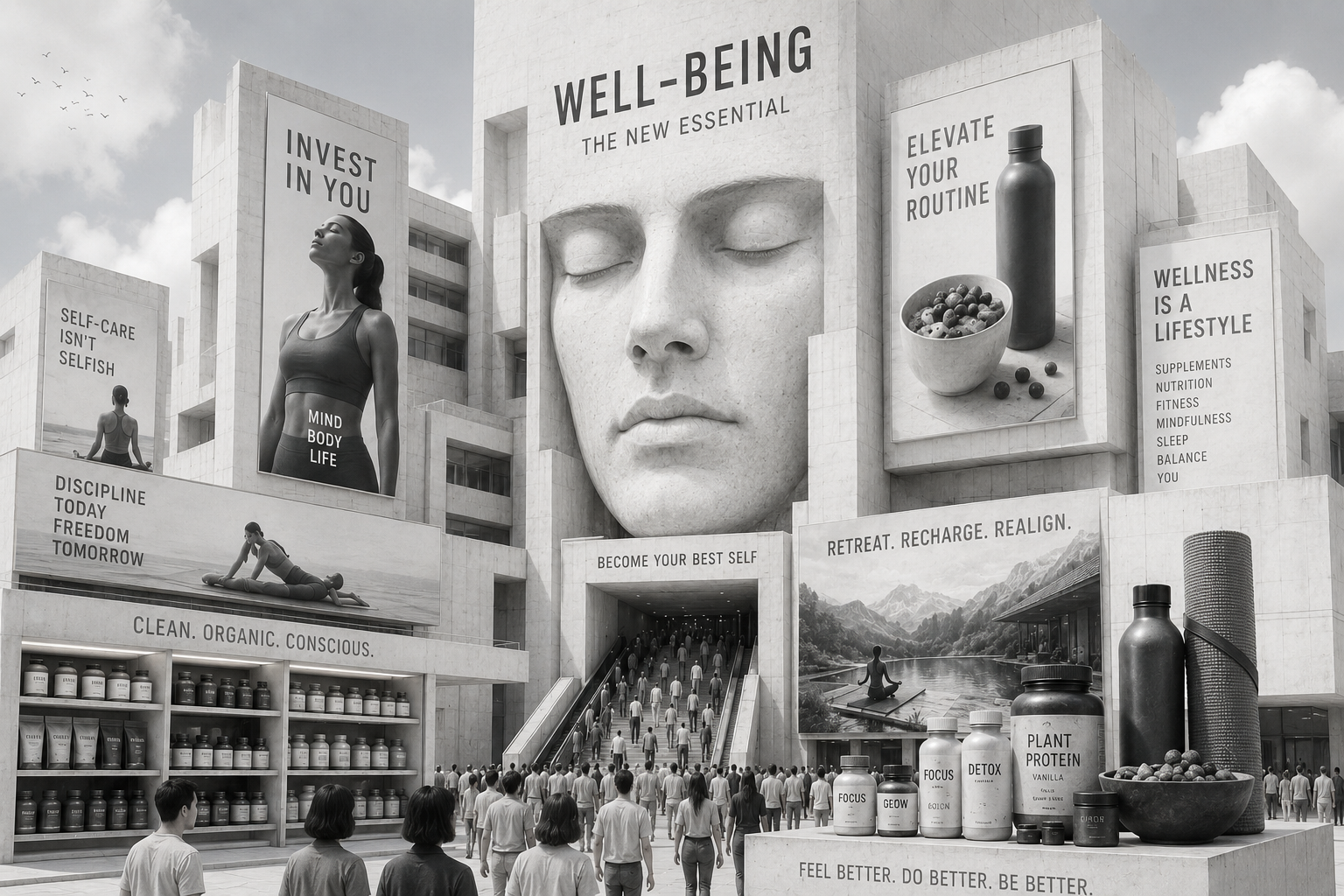
Well-being has become one of the most repeated words of our time. We see it everywhere: on shelves, in advertisements, in morning routines, in fitness plans, in expensive retreats, in perfectly arranged photographs of yoga mats, straw bottles, smoothies, and supplements.
And yet, globally, noncommunicable diseases such as cardiovascular disease, diabetes, cancer, and chronic respiratory illness now account for nearly three-quarters of non-pandemic-related deaths. In 2021 alone, they killed at least 43 million people worldwide. Around 18 million of those deaths occurred before the age of 70.
That is where we need to pause
Health should not be reduced to an image. It should not depend on whether someone has the money, time, space, or social comfort to participate in a certain version of wellness. For many people, well-being is not about luxury routines. It is about access. It is about affordability. It is about being able to care for the body before illness becomes a crisis.
A person working long shifts may not have time for a morning class. A parent may not be able to pay for expensive health products. A student may be silently struggling with stress. An elderly person may be waiting too long for basic care. A family may want healthier choices but live in a place where those choices are limited, costly, or unavailable.
Good health is not created by individual discipline alone. It is shaped by food systems, healthcare access, housing, income, clean environments, education, public spaces, work conditions, and community support. It is shaped by whether people can find care that is simple, familiar, affordable, and close to their daily lives.
Seeing beyond the surface of wellness
A yoga mat can support movement, but it cannot replace medical access.
A reusable bottle can support a better habit, but it cannot solve unsafe water or poor nutrition.
A supplement can support a routine, but it cannot stand in for fairness, education, prevention, or trust.
Real well-being must be wider than the products we buy. It must include the systems we build and the choices we make available to everyone.
At the same time, this does not mean we should reject small acts of care. Small things matter. The foods we eat, the ingredients we trust, the traditions we return to, and the natural resources we value can all become part of a healthier life. Sometimes care begins with something simple: a nourishing meal, a warm drink, a familiar ingredient, a connection to nature, or a product made with thought rather than noise.
But the goal should not be to turn health into another luxury label. The goal should be to make better choices feel reachable.
A return to grounded care
Nature has always offered us quiet forms of support. Long before wellness became an industry, people looked to plants, fungi, fermented foods, herbs, and local ingredients as part of daily nourishment. These were not always marketed as trends. They were often part of culture, memory, survival, and community knowledge.
Perhaps this is the direction well-being needs to return to: not louder, not more exclusive, not more polished, but more grounded.
It should belong to the worker who needs energy without burnout.
The parent who wants simple nourishment for the family.
The young person trying to manage stress.
The older adult seeking strength.
Is good health becoming another luxury label?
Health should not feel like something reserved for people who can afford the right products, spaces, routines, or lifestyles. Yet too often, well-being is presented through polished images of choice and comfort. It becomes something to buy, display, and perform, rather than something everyone should be able to access. This raises a harder question: are we building a healthier future, or are we turning good health into another luxury label?
Research shows that health is shaped by far more than personal choices. The World Health Organization describes income, education, housing, food access, working conditions, and healthcare access as major “social determinants of health.” These everyday conditions strongly influence how long people live, how healthy they feel, and what risks they face. In other words, well-being is not simply a lifestyle choice; it is also shaped by whether people can afford nutritious food, live in safe environments, access medical care, and work under conditions that protect rather than damage their health.